




In a recent article published by MedCity News (June 18, 2026), AAFCPAs’ Destiny J. Flood, CPA, Partner, Commercial Outsourced Accounting & Fractional CFO and Richard Weiner, CPA, MST, CM&AA, Tax Partner outline where cross‑border R&D structures commonly break down for life sciences companies—and the practical steps that help avoid tax, accounting, and compliance issues as companies grow, raise capital, or prepare for exit.
Key takeaways:
- Document intercompany arrangements: Maintain transfer pricing agreements that reflect how the business actually operates and revisit them as the model evolves.
- Manage intercompany cash flow: Define timing and funding mechanics so U.S. entities can meet payroll and operating needs.
- Support and preserve R&D tax credits: Keep detailed documentation long term, as credits may be reviewed years later.
- Monitor ownership changes: Track cap table shifts that can limit the use of losses and tax credits.
Putting This Into Practice: Life Science Leadership
AAFCPAs helps life science firms—from start‑ups to public companies—build the financial and tax infrastructure that supports fundraising, operations, and exits. We deliver integrated services including outsourced accounting and fractional CFO support, R&D tax‑credit capture and long‑term documentation, transfer‑pricing and cross‑border tax planning, audit and IPO‑readiness (PCAOB‑registered), and transaction due diligence and tax provision work, all backed by a multidisciplinary team of CPAs, tax attorneys, and technology/process specialists.
Questions? Reach out to our authors directly or your AAFCPAs partner.
AAFCPAs offers a wealth of resources for growing life-science companies. Subscribe to get alerts and insights in your inbox.
During AAFCPAs’ recent Nonprofit Seminar (April 2026), Courtney McFarland, CPA, MSA, 340B Apexus Certified Expert™, Partner; Liz Cahn, Nonprofit Fundraising Consultant, Cahn Consulting; and Kim McCormick, President, McCormick Group, led a candid discussion for more than 530 nonprofit leaders navigating a rapidly changing funding environment.
Nonprofit organizations are operating in a different landscape than even a few years ago. Funding streams are less predictable, donor behavior is shifting, and demand for services continues to grow. In response, many organizations are working to identify new sources of support—new donors, new partners, new opportunities—often under increasing pressure to act quickly.
Rather than looking outward first, the panel focused on how organizations can take a more deliberate view of the relationships already around them—donors, funders, partners, and peers—and consider how those connections contribute to long-term sustainability. When approached with intention, existing relationships can be viewed as part of a broader system that supports both mission delivery and financial resilience.
Why Existing Donor Relationships Matter
When funding conditions begin to tighten, the instinct to look outward is understandable. New grant opportunities, new donor lists, and new partnerships can feel like the most immediate path forward, especially when timelines are compressed and pressure is rising.
What often gets less attention is the set of relationships already in place. Consider that many nonprofits are working with a base of long-standing supporters, donors, and peer organizations that know the mission well and have engaged over time. Yet these connections are not always approached with the same level of intentionality. Communication can become routine—updates, appeals, event invitations—rather than an ongoing dialogue that deepens understanding and trust.
In that environment, relationships can begin to take on a transactional shape. Support flows in, acknowledgments go out, and the connection remains steady but largely unchanged. Over time, this limits what those relationships can support. Flexibility narrows. Opportunities to expand, adapt, or respond to change become harder to realize simply because they have not been fully developed.
A different perspective begins by focusing closer to home. The individuals and organizations already connected to your work represent a significant source of insight and alignment along with potential. They understand the mission, have seen its impact, and often have a broader view of the landscape. Engaging with them in a more substantive way—through open, unscripted conversations about priorities, challenges, and direction—may surface opportunities that are not immediately visible through transactional engagement alone.
In this context, a question surfaces: how are existing relationships understood, developed, and integrated into the organization’s broader approach to sustainability.
Building a Sustainable Fundraising Strategy
A more deliberate approach begins by stepping back and viewing relationships collectively rather than separately. Donors, funders, peer organizations, and potential partners are often engaged through different channels and with different objectives, yet they draw on many of the same underlying dynamics—trust, alignment, and a shared understanding of the work.
When these relationships are viewed together, a different picture emerges. Instead of a series of individual interactions, they begin to function as a portfolio—one that can be strengthened, diversified, and managed over time. This perspective allows leadership teams to consider not only how relationships are maintained but also how they contribute to overall capacity, stability, and growth.
In practice, that shift often brings attention back to the fundamentals. Building stronger philanthropic support is less a matter of introducing new tactics as it is continuing the work of developing relationships over time. The same holds true for partnerships. Both require ongoing engagement, clear communication, and a willingness to invest time without immediate return. These efforts do not always register in short-term metrics but can shape how organizations are positioned when opportunities arise or conditions change.
That time horizon is an important consideration. Relationships that support long-term stability are rarely established in response to immediate need. Instead, they reflect sustained engagement—conversations that extend beyond transactions, an understanding of what matters to the individuals and organizations involved, and a track record that builds credibility over time. When that foundation is in place, nonprofit organizations have more flexibility in how to respond to change with a broader set of options available.
The alternative can be more limiting. When decisions are deferred or conversations are delayed, nonprofit leaders may find themselves moving forward with fewer choices and less flexibility. At that point, the focus shifts from selecting among options to responding within constraints.
For leadership teams, the question becomes more immediate and more practical: how are existing relationships being developed today, and where is deeper alignment already within reach. When that work is ongoing, nonprofit organizations are better positioned to move with clarity and choice, supported by relationships that continue to grow in value over time.
Putting This Into Practice: Nonprofit Leadership
AAFCPAs partners with complex nonprofit organizations to navigate funding structures, regulatory requirements, and operational demands. Through audit, tax, outsourced accounting, fractional CFO, and advisory services, we help you gain a more complete understanding of how resources flow across your organization and where risks or opportunities may emerge. Our multidisciplinary team brings extensive sector experience and insight to support stronger reporting, more informed planning, and thoughtful decision-making to help clients sustain and scale their mission.
These insights were contributed by Courtney McFarland, CPA, MSA, 340B Apexus Certified Expert™.
Questions? Reach out to our author directly or your AAFCPAs partner.
AAFCPAs offers a wealth of resources on nonprofit growth strategy. Subscribe to get alerts and insights in your inbox.
AAFCPAs today announced the launch of its redesigned website, offering a faster, more straightforward way to explore the firm’s capabilities and the people behind them.
The new site presents a more intuitive view of AAFCPAs’ audit, tax, outsourced accounting, wealth management, and advisory solutions. Its structure and content are designed to help organizations quickly identify relevant expertise, access insights, and engage with the right professionals when decisions matter most.
“Our website is often the first place organizations turn when they’re evaluating a decision or seeking perspective,” explained Matthew Boyle, MBA, Partner and Chief Marketing Officer at AAFCPAs. “This redesign emphasizes clarity and accessibility, making it easier to understand what we do, who to connect with, and how our integrated advisory approach supports informed, confident decision making.”
Built for Clarity, Performance, and Accessibility
The website was rebuilt from the ground up on a modern, high‑performance platform, delivering a faster and more intuitive experience across devices. Streamlined navigation and a consistent page structure improve findability and readability, while a clean, modern design brings greater consistency across solutions, industries, and insights.
Accessibility was a core priority throughout the redesign, with its new look and functionality aligned with Web Content Accessibility Guidelines (WCAG) standards to support usability for a broad range of audiences.
Reflecting How AAFCPAs Serves Clients
The redesigned structure reflects how AAFCPAs works with clients in practice—through collaboration, continuity, and enduring relationships. Content has been reorganized to better highlight cross‑functional expertise and to show how teams come together to address complex needs.
Enhanced visual storytelling and modular content components create consistency across pages while allowing insights and services to evolve over time.
Built For Modern Discovery
The new website supports how visitors explore AAFCPAs’ solutions, industries, and insights in ways that reflect how organizations evaluate advisors today. An easy-to-navigate structure helps decision makers identify relevant expertise and connect with the right people—supporting more meaningful conversations.
An expanded blog and resource hub offers timely perspectives across industries and service areas. The site also provides greater visibility into the firm’s culture and values, offering a stronger picture of AAFCPAs’ enduring commitment to responsible growth.
A Platform Designed to Evolve
The website is built for flexibility, allowing the firm to continuously refine resources, expand insights, and adapt to changing client needs.
“We see this as an investment in how we serve clients—both today and as the firm continues to grow,” Matthew added. “It provides a platform that reflects the depth of our knowledge and the relationship-driven way clients expect to engage with advisors.”
Clients and visitors are invited to explore the new site at aafcpa.com to learn more about AAFCPAs’ solutions, industries, and insights.
Selling a business follows a defined process, but the pace is not always predictable. After a letter of intent is signed, due diligence introduces a higher volume of requests, tighter scrutiny, and a level of coordination that can stretch timelines.
As that phase extends, decision-making can become more complex. Information continues to move between parties, new questions surface, and priorities compete with the day-to-day demands of running the business. Over time, the added volume and coordination can slow progress.
Clear decisions often depend on how that process is structured, how information is handled, and how expectations are set from the outset.
How Due Diligence Shapes the Pace of a Transaction
Once due diligence begins, the nature of the work shifts. Early discussions tend to focus on positioning, high-level financials, and alignment between buyer and seller. During diligence, the focus moves to verification. Buyers request detailed information across financial, operational, and legal areas, and those requests often arrive in waves.
Information requests become more specific and more frequent. Initial document lists are followed by targeted questions, additional schedules, and requests for clarification. Some information may not exist in the exact format requested, requiring new reports or analysis. Each additional round can take time to assemble, review, and respond.
Timelines can also expand. Follow-up questions extend review periods, and multiple advisors on each side may need to weigh in before a response is finalized. Even when all parties remain aligned on the terms of the deal, progress may slow as coordination becomes more involved.
At the same time, the demands of the transaction run in parallel with the ongoing responsibilities of the business. Leadership teams are expected to maintain performance while supporting the diligence process. Attention is divided, and decisions that may have been straightforward earlier in the process can require more time and input.
Over time, this environment can affect how decisions are made. As requests build and timelines extend, maintaining a clear view of priorities becomes more difficult. The term “deal fatigue” is sometimes used to describe this stage of the process. It reflects the cumulative effect of sustained effort, extended timelines, and increased complexity. These dynamics are a standard part of most transactions and are consistent with the level of review required to move a deal forward.
The way diligence is managed shapes how the process moves forward. Without clear ownership, organized information flow, and defined expectations, even well-structured transactions can lose pace. Decisions remain sound, though they take longer to reach and require more alignment across parties.
How Process Structure Supports Clear Decisions
When a transaction extends, maintaining clarity comes down to how the work is organized. The most effective processes tend to share a few characteristics that reduce friction and keep decisions moving.
Preparation begins with how information is assembled before diligence starts. Financials, supporting schedules, and key operational data are easier to manage when they are organized in the formats buyers expect. When information is consistent and readily available, responses can be completed more quickly, and follow-up questions tend to narrow rather than expand.
Ownership of the process also matters. Transactions involve multiple participants, including management, internal teams, and external advisors. When responsibilities are clearly defined, requests can be routed, addressed, and resolved without unnecessary delay. This helps prevent situations where the same question is revisited or answered in different ways across participants.
Information flow is another factor. A structured approach to tracking requests, responses, and outstanding items helps keep the process moving. It ensures that questions are addressed in sequence and that new requests do not disrupt work that is already in progress. As the volume of communication increases, this structure becomes more important.
Expectations set early in the process can also influence how decisions are made later. When owners have a clear view of how diligence typically unfolds, including the level of detail required and the pace at which requests may arrive, it is easier to prioritize responses and allocate time. This reduces the need to react to each development as it surfaces.
Advisors play a role in supporting that structure. Their work often centers on coordinating requests, identifying which questions require deeper analysis, and helping translate technical findings into clear next steps. This allows leadership teams to stay focused on the business while remaining engaged in the decisions that matter most.
Collectively, these elements help contain complexity. With organized information, clear ownership, and a consistent approach to managing requests, the process remains easier to navigate. Decisions can be made with a clear view of the facts, even as timelines extend.
Putting This Into Practice: Transaction Advisory Solutions
AAFCPAs supports business owners, investors, and leadership teams throughout the transaction lifecycle, from early planning through diligence and closing. Our team works to prepare financial information, address risks before they become roadblocks, and guide decisions as new information emerges. By bringing together financial, tax, and operational insight, we help clients understand how a transaction will perform in practice and align outcomes with their goals. Throughout the process, our role is to reduce uncertainty, maintain momentum, and support informed decisions at each stage.
These insights were contributed by Daniel Seaman, CPA, Tax Partner, AAF Wealth Management and Emily Feeley, CPA, MBA, CM&AA, Director, Transaction Advisory Services.
Questions? Reach out to our authors directly or your AAFCPAs partner.
AAFCPAs offers a wealth of resources on exit planning. Subscribe to get alerts and insights in your inbox.
During AAFCPAs’ recent Nonprofit Seminar (April 2026), John Buckley, CPA, CGMA, Partner and Lisa Whittemore, CFE, CRMA, MBA, Partner shared practical guidance with more than 530 nonprofit leaders on how enterprise risk management can evolve from a static exercise into a living, organization‑wide discipline. The session explored how nonprofit organizations can better identify and prioritize risk, strengthen governance and board oversight, reduce fraud exposure, and support more informed, forward‑looking decision-making in an increasingly complex operating environment.
Risk touches nearly every decision nonprofit leaders make—how programs scale, where resources are directed, and how organizations respond when conditions change. Yet many risk conversations still happen after the fact, once pressure has already mounted. Enterprise risk management offers a different posture. When approached as an ongoing discipline rather than a periodic exercise, ERM provides leaders and boards with a much clearer view of what could shape outcomes ahead, helping leaders act with foresight, alignment, and confidence as complexity grows.
Enterprise Risk Management Across Nonprofit Operations
Enterprise risk management is often misunderstood as highly technical or abstract, reserved for large companies. In reality, it speaks directly to the everyday decisions nonprofit leaders already make—how funding is structured, which programs grow, where systems investment is needed, and how governance responsibilities are fulfilled. Each of these decisions carries risk, sometimes in ways that only become clear over time.
At its core, enterprise risk management gives leadership and boards a way to understand what could materially affect the organization’s ability to deliver on its mission. By looking across finance, operations, compliance, programs, technology, and reputation, ERM helps illuminate how risks intersect—and where pressure points may form across the enterprise.
That perspective is important because nonprofit risk rarely stays contained. A single issue can quickly ripple outward. A technology failure can interrupt service delivery, require unplanned spending, trigger reporting obligations, and weaken trust with donors and the community. When risks are viewed only within departmental boundaries, those connections are easy to miss.
ERM provides leadership with a broader line of sight. It helps nonprofit decision-makers understand where risk is concentrated and which exposures deserve closer monitoring, supporting more proactive conversations before issues escalate.
Risk-Based Decision-Making for Nonprofit Leaders
For nonprofit executives and finance leaders, the value of enterprise risk management is most evident at decision points. Choices are often made with limited resources, incomplete information, and real accountability to boards, funders, and regulators. ERM works to bring structure to those moments by clarifying where leadership attention will have the greatest impact.
A key benefit of ERM is prioritization. Not every risk carries the same weight, yet organizations often struggle to distinguish between what is urgent and what is truly significant. By examining risk across the enterprise, leadership can better assess potential impact—not only financially, but operationally, reputationally, and from a compliance perspective—directing resources accordingly.
This clarity is particularly valuable for boards. When risk is discussed within a consistent framework, boards are better positioned to fulfill their fiduciary responsibilities without being drawn into operational detail. ERM supports more productive oversight by giving boards a shared language for understanding tradeoffs, asking informed questions, and monitoring exposure over time.
ERM also strengthens resource planning. Whether evaluating new programs, investing in systems, or responding to emerging pressures, leaders benefit from understanding how risk aligns with strategy and capacity. Decisions become easier to explain, easier to govern, and more closely aligned with long‑term sustainability.
Implementing Enterprise Risk Management in Nonprofits
Enterprise risk management is most effective when it is embedded in how an organization operates rather than treated as a periodic review. This begins with leadership, who set the tone and make it clear that risk awareness is a core part of responsible management and governance.
Boards and executive teams play a central role by encouraging open, constructive discussion about risk and clarifying expectations around risk tolerance. The goal is not to avoid risk entirely, but to understand it well enough to make deliberate choices in service of mission.
Ownership matters as well. ERM functions best when responsibility is shared across the organization rather than concentrated in a single role or department. Finance, operations, compliance, technology, and program teams each see different risks first. Creating structure for those perspectives to surface helps reduce blind spots and ensures concerns are addressed before they become more difficult to manage.
Just as important is how risk conversations happen. A healthy ERM culture makes it safe for team members to raise concerns early, without fear doing so will be punitive. When risks are surfaced in real time, leadership can assess implications across the organization, respond thoughtfully, and adjust controls or priorities as needed.
Because risk evolves, ERM must evolve with it. Funding models shift, programs expand, regulations change, and technology becomes more embedded in daily operations. Revisiting risk on a regular basis helps keep leadership aligned and governance focused as conditions change.
Putting This Into Practice: Risk Management for Nonprofits
AAFCPAs helps nonprofit organizations design and strengthen enterprise risk management programs that support better decisions, stronger governance, and long‑term mission resilience. Drawing on experience working with nonprofit boards, executives, and finance teams, we help clients move beyond viewing risk as a periodic exercise and toward integrating it into how leadership operates. Our approach begins with understanding your mission and governance structure, then identifying where risk is most concentrated across financial, operational, regulatory, and technology areas. We work with leadership to clarify ownership, establish effective oversight structures, and create shared language that supports productive engagement between boards and management. In all cases, our focus is practical—helping teams prioritize what matters most, surface issues early, and allocate resources with intention, while building the internal capability to sustain risk management over time.
These insights were contributed by Lisa Whittemore, CFE, CRMA, MBA, Partner, Risk Advisory and John Buckley, CPA, CGMA, Partner.
Questions? Reach out to our authors directly or your AAFCPAs partner.
AAFCPAs offers a wealth of resources on risk‑informed leadership. Subscribe to get alerts and insights in your inbox.
BOSTON (June 15, 2026)—AAFCPAs, a premier, independently owned CPA and advisory firm, today announced it has been named to the Boston Business Journal’s 2026 ‘Best Places to Work’ list. The award, based directly on employee feedback, recognizes the firm’s exceptional work environment and its commitment to building a culture that benefits both its team and its clients.
As an independently owned Certified B Corporation™, AAFCPAs is not driven by private equity or a national parent structure. This allows the firm to invest in what matters most: its people. The result is a culture of purpose, collaboration, and flexibility, reflected in an overall employee engagement score of 80.5 percent favorable—exceeding the accounting industry benchmark. Team members cited trust in leadership, strong camaraderie, and a genuine work-life balance as key reasons they are proud to work at AAFCPAs. This culture is grounded in a clear set of core values that define how the firm works and supports its people.
“This recognition comes directly from our team and is a testament to the culture of purpose and respect we have built together,” said Dawn Hagman, SPHR, SHRM-SCP, Chief Talent Management Officer at AAFCPAs. “We believe when talented people are supported with flexibility, meaningful work, and opportunities for growth, they can build lasting careers. That commitment shapes the client experience, with teams who know each organization well and bring deeper insight year after year.”
For clients, the firm’s award-winning culture translates into a distinct service advantage. The stability and high morale of AAFCPAs’ teams lead to deeper relationships, more efficient engagements, and a consistent, high-value experience. Clients partner with a cohesive team that understands their organization, not a revolving door of new faces.
“This year’s companies have once again set the bar for retaining top talent,” said Carolyn Jones, Market President and Publisher of the Boston Business Journal. “In such a competitive hiring environment, the Best Places to Work employers continue to outshine their peers.”
The businesses that met criteria for the award participated in employee-engagement surveys by Quantum Workplace, rating factors like work environment, job satisfaction, advancement opportunities, and benefits. The top-rated companies are listed across five size categories.
The Best Places to Work celebration was held in-person on June 11th at The Westin Copley Place from 5:30 PM – 8:30 PM. The special publication appeared in the June 12th weekly edition of the Boston Business Journal.
About AAFCPAs
AAFCPAs is a premier independently owned CPA and advisory firm with a global presence. The firm distinctly serves privately held businesses, public and pre-IPO companies, nonprofit organizations, and wealthy individuals/estates with complex financial needs through audit, tax, and advisory solutions grounded in sound judgment.
Founded in 1973 and headquartered in Boston, AAFCPAs employs 400+ professional advisors who are relationship focused, committed to service excellence, and inspired by meaningful work that has positive social impact. Clients appreciate the exceptional value of our pragmatic solutions and rely on the firm for clarity when decisions carry lasting financial and regulatory consequences.
AAFCPAs is a Certified B Corporation™. This designation reflects our people-first culture and commitment to do well by doing good. We donate 10 percent of our profits annually back to nonprofits.
Key Takeaways:
- Section 404(a) of the Sarbanes-Oxley Act of 2002 (“SOX”) requires all public companies to assess and report on the design and operating effectiveness of internal control over financial reporting (ICFR), regardless of filing status.
- Effective ICFR depends on consistent execution, not documentation alone, with gaps often arising from unclear ownership, uneven oversight, or breakdowns during periods of change.
- Management certification links financial reporting accuracy directly to control performance, reinforcing accountability across finance leadership and governance structures.
- Enforcement activity by the U.S. Securities and Exchange Commission shows that control deficiencies often develop over time and may lead to restatements, penalties, and reputational strain.
- Early preparation and ongoing evaluation help support a more stable compliance framework, particularly for organizations approaching an IPO or managing evolving reporting requirements.
Public companies operate under a level of scrutiny that leaves little room for ambiguity in financial reporting. The Sarbanes-Oxley Act established a framework intended to bring discipline and clarity to that responsibility, placing management at the center of internal control oversight. Section 404(a) calls for a deliberate evaluation of how financial information is produced, reviewed, and disclosed, and whether those processes function as intended over time.
For leadership teams, this requirement often becomes a defining feature of governance. Effective internal control over financial reporting, or ICFR, supports accurate disclosures, reinforces accountability, and helps sustain investor confidence. Gaps in design or execution may expose an organization to misstatements, regulatory scrutiny, and reputational strain. A thoughtful approach to SOX 404(a) aligns financial reporting processes with the expectations of regulators and the market, while supporting informed decision-making across the organization.
SOX Requirements and Common Gaps
Section 404(a) of the Sarbanes-Oxley Act places responsibility squarely on management to assess and report on the design and operating effectiveness of ICFR. This obligation applies to every public company, regardless of size, filing status, or market position. Misunderstanding the distinction between Section 404(a) and 404(b) (through which a public company’s external auditor must separately opine on the design and effectiveness of ICFR) continues to create avoidable exposure, particularly among organizations preparing to enter public markets.
ICFR extends beyond documented policies. It reflects how transactions are initiated, processed, reviewed, and disclosed, as well as how exceptions are identified and addressed. Controls may be well designed on paper yet fall short in practice when execution varies or oversight weakens. Inconsistent review procedures, unclear ownership, and limited documentation often surface during evaluations, especially in periods of growth or operational change.
Management certifications further reinforce accountability. Executives who attest to the accuracy of financial statements confirm that controls operate as intended. This expectation ties governance directly to day-to-day financial processes, elevating the importance of consistent monitoring and clear communication across finance leadership.
Enforcement Lessons and Ongoing Oversight
Regulatory enforcement has shown a consistent pattern. Breakdowns in internal controls often coincide with broader governance challenges, leading to financial restatements, penalties, and, in some cases, criminal liability. The U.S. Securities and Exchange Commission has pursued actions against companies where control deficiencies contributed to material misstatements or obscured financial results. In these instances, reporting issues were not limited to isolated errors. They reflected gaps in oversight, insufficient challenge within finance functions, and breakdowns in governance that allowed misstatements to persist.
A steady approach to SOX 404(a) supports more reliable outcomes. Organizations that maintain effective compliance programs tend to align controls with financial reporting risks, perform regular evaluations of control performance, and address deficiencies in a timely manner. Ongoing communication within finance and executive teams helps reinforce expectations and supports consistent execution.
Preparation also plays a role for companies approaching an initial public offering. Establishing and testing controls in advance of filing requirements may ease the transition into public reporting and reduce the likelihood of late-stage remediation.
Putting This Into Practice: SOX Readiness & Compliance
Partnering with AAFCPAs supports a practical, disciplined approach to SOX 404(a) compliance by aligning internal controls with financial reporting processes and regulatory expectations. AAFCPAs works closely with management to evaluate existing control environments, identify gaps that may affect readiness, and design controls that are both effective and sustainable in practice. This includes documenting key processes, performing walkthroughs, and testing operating effectiveness to provide a clear view of how controls function over time. Early and ongoing coordination with external auditors helps align expectations, reduce inefficiencies, and support a smoother review process.
For organizations preparing for an IPO, the focus remains on establishing a strong 404(a) foundation in advance of filing requirements, while public companies benefit from a repeatable framework that supports consistent monitoring, timely remediation, and reliable financial reporting. This approach strengthens governance, reinforces accountability, and provides management with greater confidence in the integrity of financial disclosures.
These insights were contributed by Lisa Whittemore, CFE, CRMA, MBA, Partner, Risk Advisory and Joshua P. Stone, CPA, MSA, Director, Risk Advisory.
Questions? Reach out to our authors directly or your AAFCPAs partner.
AAFCPAs offers a wealth of resources on risk management. Subscribe to get alerts and insights in your inbox.
Nonprofit organizations continue to innovate and rethink how they plan, operate, and report. AAFCPAs’ 2026 Nonprofit Seminar sessions offer experienced perspectives you can employ across finance, operations, and strategic planning. Watch pre-recorded sessions from AAFCPAs’ 2026 Nonprofit Seminar, featuring real-world insight on financial reporting, compliance, operations, and strategic planning.
Explore All Sessions
- Accounting Standards Update: What’s New, What’s Challenging, and What’s Next
- Insights From Our Consulting Attorneys: Navigating Advocacy and Risk
- Elevating Risk Management: Creating a Proactive & Dynamic ERM Culture
- Common Finance Processes Nonprofits Are Rethinking
- Understanding Agentic AI: Practical Applications for Nonprofit Finance
- What’s New at AAFCPAs
- Futureproofing Your Organization: Thriving in Uncertain Times
- Strengthening Resilience Through Mission and Financial Alignment
- Panel: Reimagining Mission Delivery in a Changing Funding Environment
Accounting Standards Update: What’s New, What’s Challenging, and What’s Next
An update on the latest accounting standards affecting nonprofits, including upcoming HIPAA security requirements, crypto, CECL, federal funding changes, and Single Audit considerations. The discussion also addresses ongoing challenges such as contributions and pledge accounting, conditional grants, federal grant tracking, and internal controls.
What you’ll take away: Where to focus as you prepare for audits and maintain compliance.

Matthew Hutt
PartnerCPA, CGMA
Matthew Hutt
PartnerCPA, CGMA
Matt leads AAFCPAs’ Healthcare Division, providing assurance, tax and advisory solutions for sophisticated and complex healthcare organizations including Federally Qualified Health Centers, behavioral health providers, home care agencies and hospices, nursing homes,…

Jennifer A. L’Heureux
DirectorCPA
Jennifer A. L’Heureux
DirectorCPA
Jen is responsible for leading high-energy teams in planning and executing financial statement audits for sophisticated nonprofits and privately held companies. She serves a variety of industries, including construction, publishing, green tech,…
Insights From Our Consulting Attorneys: Navigating Advocacy and Risk
In this session, AAFCPAs’ consulting attorneys share strategies for navigating lobbying rules and the 501(h) election and protecting your organization’s tax-exempt status during challenging times.
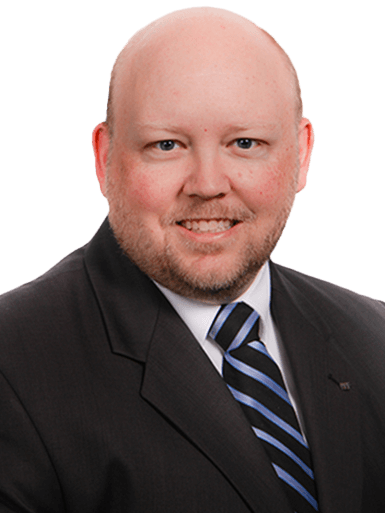
Joshua England
Partner & Tax AttorneyLLM, Esq.
Joshua England
Partner & Tax AttorneyLLM, Esq.
Josh is a tax strategist with extensive expertise advising high-net-worth individuals, nonprofits, and business owners and investors on effective strategies to ensure tax efficiency, asset protection, well-executed succession plans, and wealth preservation.…

Christopher Consoletti
Consulting Attorney, DirectorEsq.
Christopher Consoletti
Consulting Attorney, DirectorEsq.
Chris is a consulting attorney at AAFCPAs, working in conjunction with the firm’s multi-disciplinary team of CPAs and focusing primarily on tax-exempt organizations. He brings expertise in private foundations, lobbying regulations, multi-state…
Elevating Risk Management: Creating a Proactive & Dynamic ERM Culture
Risk management should not be a static, reactive exercise. Join us to learn how nonprofits can develop a living, proactive enterprise risk management program that supports better decision-making, reduces fraud exposure, and ensures limited resources are directed toward the risks that matter most.

Lisa Whittemore
Partner, Risk AdvisoryCFE, CRMA, MBA
Lisa Whittemore
Partner, Risk AdvisoryCFE, CRMA, MBA
Lisa specializes in governance, risk, and compliance, drawing on her internal audit, enterprise risk management, and assurance experience within multi-billion-dollar global organizations. She partners with clients to strengthen internal controls, optimize processes,…

John Buckley
PartnerCPA, CGMA
John Buckley
PartnerCPA, CGMA
John leads AAFCPAs’ Educational Services practice, serving diverse academic and education services clients including independent schools, colleges/universities, special education schools, education services, charter schools and charter management organizations (CMOs). He fully understands…
Common Finance Processes Nonprofits Are Rethinking
As nonprofit organizations grow and evolve, certain finance processes may become strained or overly complex. This session explores commonly reexamined areas—such as chart of accounts design, grant tracking, and financial close—and how organizations are approaching improvement.

Robyn Leet
Partner, Business Process, Systems & Controls
Robyn Leet
Partner, Business Process, Systems & Controls
Previously a controller private closely-held businesses, Robyn brings her experience of running the daily ins and outs of an organization to all aspects of her work. Having constantly undergone process improvements herself,…

Wendy Smith
Consulting CFO, Business Transformation & IntelligenceCPA
Wendy Smith
Consulting CFO, Business Transformation & IntelligenceCPA
Wendy is an integral member of AAFCPAs’ Technology & Process Advisory team, specializing in delivering advanced business intelligence and enhancing productivity through strategic process and IT solutions. This includes business process assessments…
Understanding Agentic AI: Practical Applications for Nonprofit Finance
Agentic AI represents a shift from task-based automation to intelligent agents that support decision-making. This session demystifies the concept and highlights real-world finance use cases, risks, and governance considerations for nonprofit organizations.

Vassilis Kontoglis
Partner, AI Digital Transformation & Security
Vassilis Kontoglis
Partner, AI Digital Transformation & Security
Vassilis brings more than 30 years of experience delivering business intelligence, productivity, information risk and change management, automation, dashboarding, and cybersecurity solutions. He leads enterprise AI strategy, guiding planning and implementation across…

Ryan K. Wolff
Senior AI & Strategic Innovation Consultant MBA
Ryan K. Wolff
Senior AI & Strategic Innovation Consultant MBA
Ryan is a member of AAFCPAs’ Technology & Process Advisory practice and a leader in the firms consulting practice, specializing in AI, data analytics, RPA and strategic innovation. He also leads the firm’s…
What’s New at AAFCPAs
Join AAFCPAs’ Chief Marketing Officer Matthew Boyle as he shares recent highlights of the firm’s work most relevant to nonprofit organizations. The session offers an overview of ongoing initiatives and progress, with a focus on how AAFCPAs continues to align firm priorities with nonprofit goals to support long-term success.

Matthew Boyle
PartnerMBA
Matthew Boyle
PartnerMBA
Matthew Boyle brings strategic business insight to the AAFCPAs Partner team. As the firm’s Chief Marketing Officer, he is the leader of the brand and focuses on AAFCPAs’ client experience, ensuring the…
Futureproofing Your Organization: Thriving in Uncertain Times
Nonprofits are navigating rapid change driven by political dynamics, technological advances, climate realities, and evolving economic conditions. Rather than operating in reaction mode, today’s leaders have an opportunity to proactively shape what comes next. Join our 2026 Keynote, philanthropic futurist Trista Harris, for a practical, forward-looking conversation on strengthening organizational resilience, anticipating emerging sector trends, and applying futurism tools to build adaptive, high-impact mission strategies designed to succeed well into the future.

Trista Harris
Radical Optimist, Philanthropic Futurist, Professional Speaker and President at FutureGood
Trista Harris
Radical Optimist, Philanthropic Futurist, Professional Speaker and President at FutureGood

Carla McCall
Managing PartnerCPA, CGMA
Carla McCall
Managing PartnerCPA, CGMA
Carla is Managing Partner of AAFCPAs, a U.S. Top 100 CPA and consulting firm based in New England. She is also former Chair of the American Institute of Certified Public Accountants (AICPA).…
Strengthening Resilience Through Mission and Financial Alignment
Anticipatory leadership is grounded in planning and preparation. By aligning your financial resources directly with your mission, nonprofit organizations can work to build the resilience they need to outlast uncertainty and carry forward with clarity and confidence.

Joyce Ripianzi
Nonprofit Partner, Outsourced Accounting & Fractional CFOCPA
Joyce Ripianzi
Nonprofit Partner, Outsourced Accounting & Fractional CFOCPA
Joyce is a Partner in the Consulting Division of AAFCPAs and a leader of the firm’s growing Outsourced Accounting & Fractional CFO (OAFC) practice with a focus on nonprofit organizations. She provides…

Lauren M. Duplin
Nonprofit Partner, Outsourced Accounting & Fractional CFOCPA
Lauren M. Duplin
Nonprofit Partner, Outsourced Accounting & Fractional CFOCPA
Lauren is a leader in AAFCPAs’ Outsourced Accounting & Fractional CFO practice, where she provides high-level Fractional CFO services and advisory support to nonprofits, foundations, and grant-making organizations. She brings specialized expertise…

Amy Staunton
Director & Consulting CFOCPA
Amy Staunton
Director & Consulting CFOCPA
Amy is a senior member of AAFCPAs’ Outsourced Accounting & Fractional CFO practice, providing high-level, outsourced CFO services for nonprofits, foundations, and grant-making organizations. She serves as an active partner to the…
Panel: Reimagining Mission Delivery in a Changing Funding Environment
You’re probably managing your fundraising strategy and your partnership opportunities as two separate tracks. Most organizations do. But nonprofits that weather economic uncertainty best have figured out something different: the same trust-based, relationship-driven discipline that builds a strong philanthropic program is exactly what makes strategic partnerships work, and vice versa. In this session, two practitioners with decades of combined experience share what they’re seeing on the ground right now, across organizations of all sizes and stages, and offer a practical framework for thinking about your relationships as a single, interconnected portfolio.

Courtney McFarland
PartnerCPA, MSA, 340B Apexus Certified Expert™
Courtney McFarland
PartnerCPA, MSA, 340B Apexus Certified Expert™
Courtney is an audit partner in the firm’s Healthcare Practice with extensive experience advising the nation's healthcare safety net community, including Federally Qualified Health Centers (FQHCs), clinics, and behavioral health providers. She…

Liz Cahn
Nonprofit Fundraising Consultant, Cahn Consulting
Liz Cahn
Nonprofit Fundraising Consultant, Cahn Consulting

Kim McCormick
President, McCormick Group
Kim McCormick
President, McCormick Group
You’re probably managing your fundraising strategy and your partnership opportunities as two separate tracks. Most organizations do. But nonprofits that weather economic uncertainty best have figured out something different: the same trust-based, relationship-driven discipline that builds a strong philanthropic program is exactly what makes strategic partnerships work, and vice versa. In this session of AAFCPAs’ 2026 Nonprofit Seminar, two practitioners with decades of combined experience share what they’re seeing on the ground right now, across organizations of all sizes and stages, and offer a practical framework for thinking about your relationships as a single, interconnected portfolio.
What you’ll take away: How to think about fundraising and partnerships as a unified strategy.